First AR-15: What to Know Before You Buy
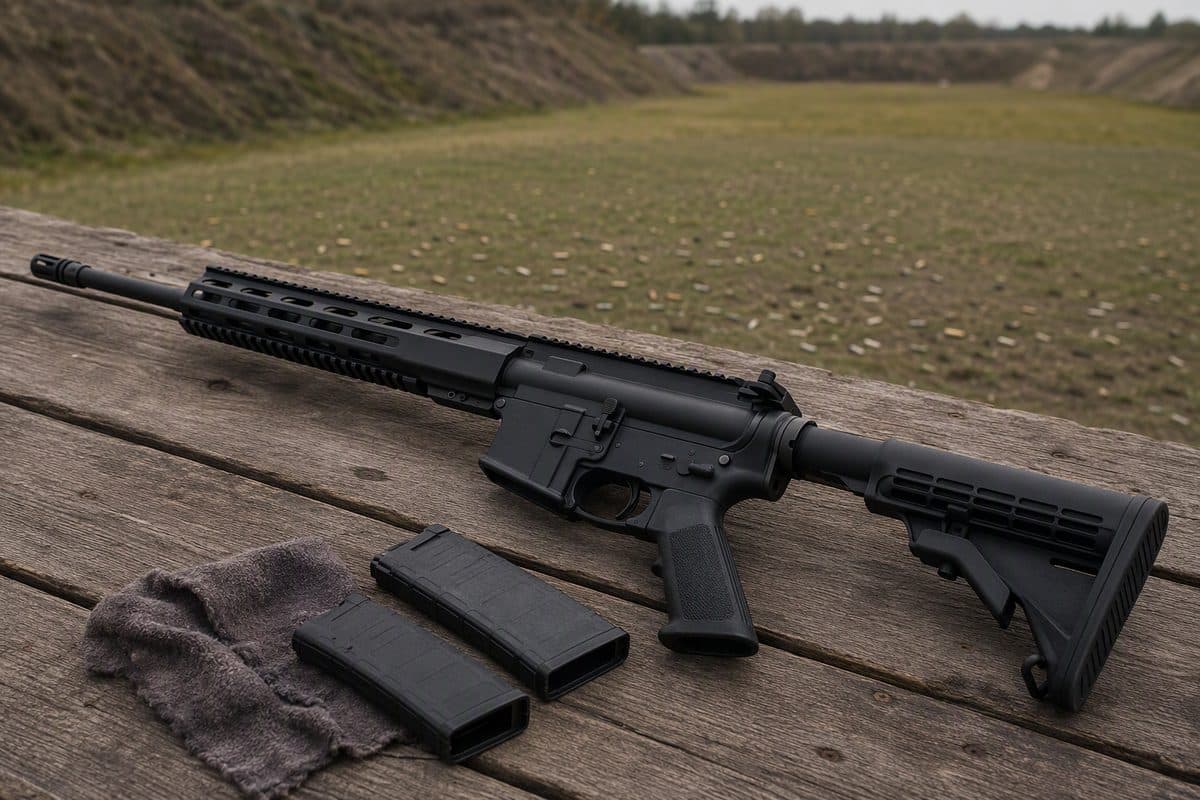
The AR-15 is the most customizable rifle platform in America — which is exactly what makes buying your first one confusing. Here's what matters, what doesn't, and where the budget actually goes.
Start with the caliber
For a first rifle, the answer is almost always 5.56 NATO / .223 Remington. The rifle is light, the recoil is mild, and the ammunition is the cheapest centerfire rifle round to practice with. Other chamberings — .300 Blackout, 6.5 Grendel, 6mm ARC — solve specialized problems and lock you into a narrower, more expensive ammunition supply.
Budget the ammunition, not just the rifle. A $700 rifle with 200 rounds a year behind it stays a $700 rifle forever. Plan for a case of 5.56 ammunition in your first-year budget.
The accessories that matter (and the ones that don't)
- An optic you can zero. A modest red dot beats iron sights for new shooters and costs less than people assume.
- A sling. A rifle you can carry isn't a rifle you have to set down.
- Magazines. Several quality magazines, loaded and rotated.
Bipods, lights, and extended handguards can wait until you've shot the rifle enough to know what you'd change.
What to spend
A reliable first AR-15 lives in the $650–$950 range from established manufacturers. Put the difference into ammunition and a fundamentals class — that's where the actual improvement lives. Our ammo & gear resources page keeps current pricing on rifle ammunition and range gear in one place.
Keep reading
- Best caliber for home defenseAn honest comparison of 9mm, .45 ACP, and .380 ACP for home defense — penetration, capacity, recoil, and cost.
- 5.56 vs .308A practical comparison of 5.56 NATO and .308 Winchester — range, recoil, weight, and cost.
- Browse the firearms catalogSpecs, overviews, and live ammo picks for every gun we cover.
Firearm and ammunition laws vary by state and locality. Verify compliance before purchase or transport. MaxFirearms is an independent publication and does not sell firearms or ammunition.